2026-06-05
Content
The most effective way to clean composite decking is to rinse the surface with water, apply a mild soap or dedicated composite deck cleaner, scrub gently with a soft-bristle brush, and rinse thoroughly. For most routine maintenance, this process takes less than 30 minutes and restores the deck's appearance without damaging the material. Avoiding harsh chemicals, wire brushes, and pressure settings above 1,500 PSI protects the surface finish and extends the deck's service life, which for quality composite boards can exceed 25 years with proper care.
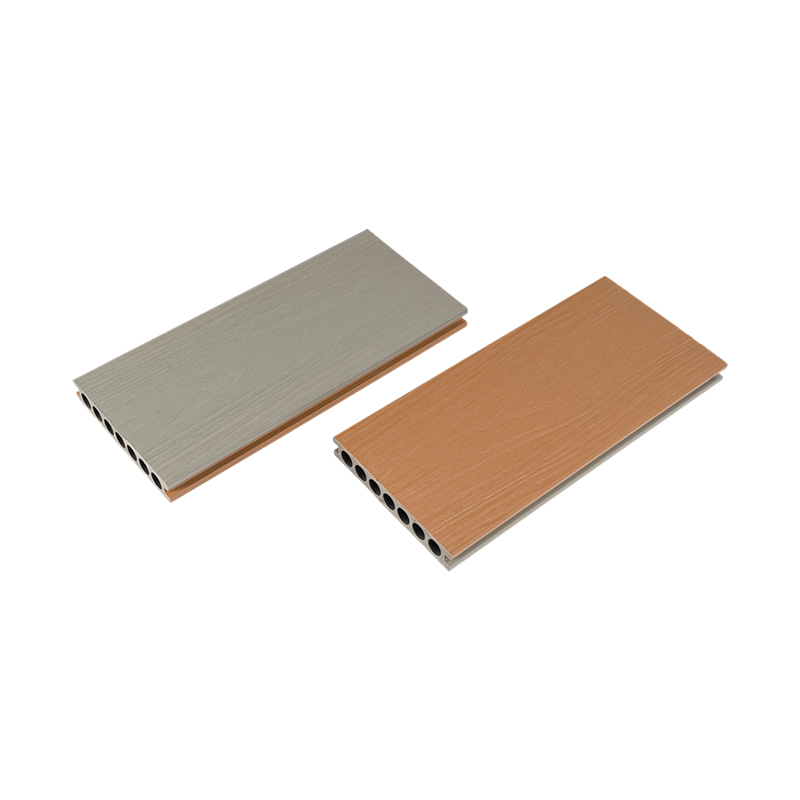
Composite decking is engineered from a blend of cellulose fibers — such as wood flour or rice bran — and polyolefin plastics, which gives it properties that are fundamentally different from solid timber. Unlike bare wood, composite boards do not absorb standing water, are resistant to mold penetration, and do not require sanding, staining, or painting. However, the surface can still accumulate organic debris, dirt, mildew film, and stains from food and beverages.
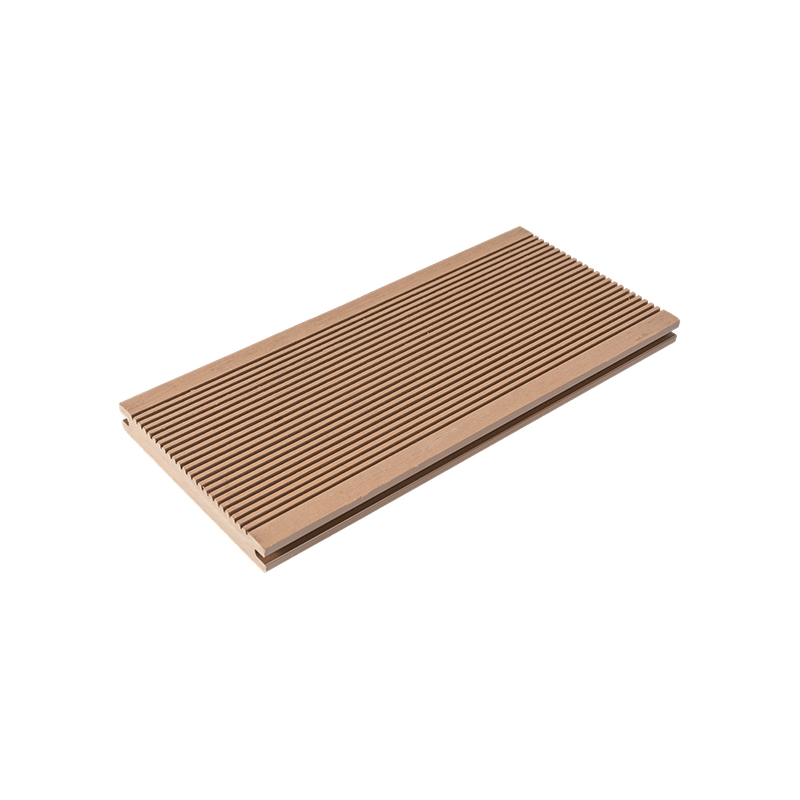
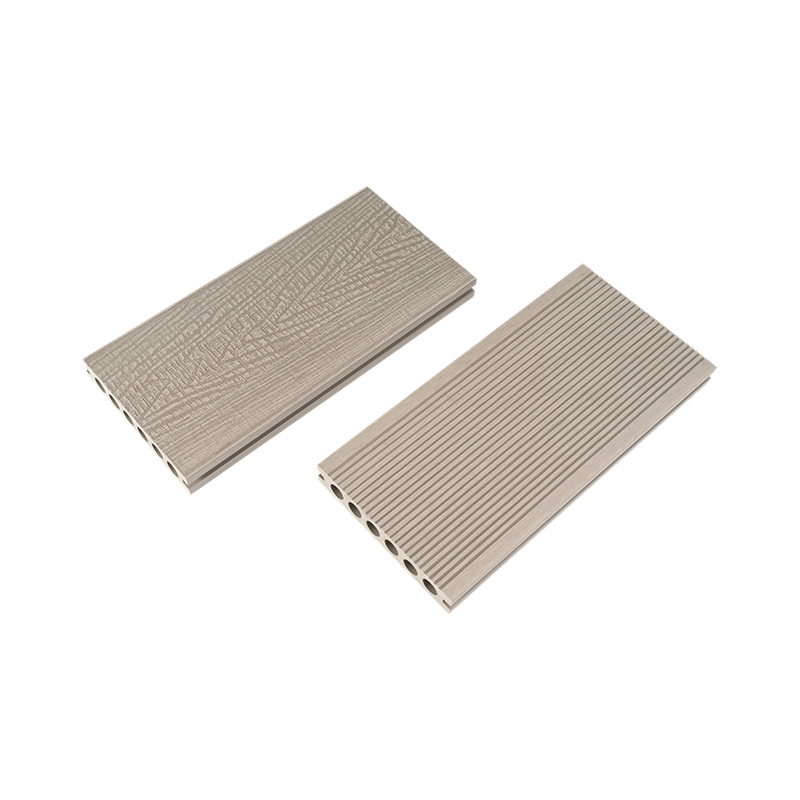
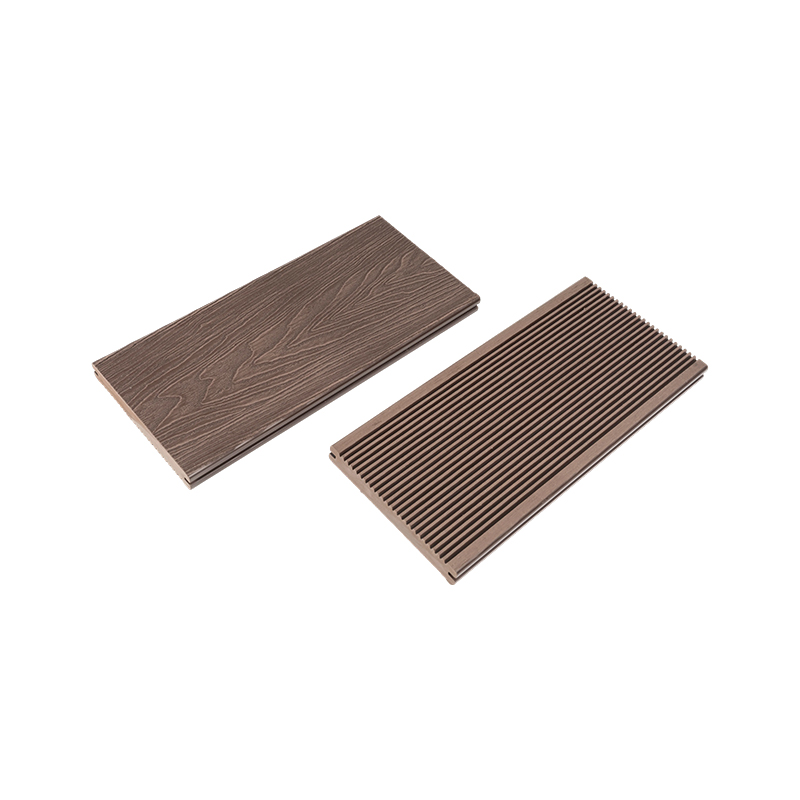
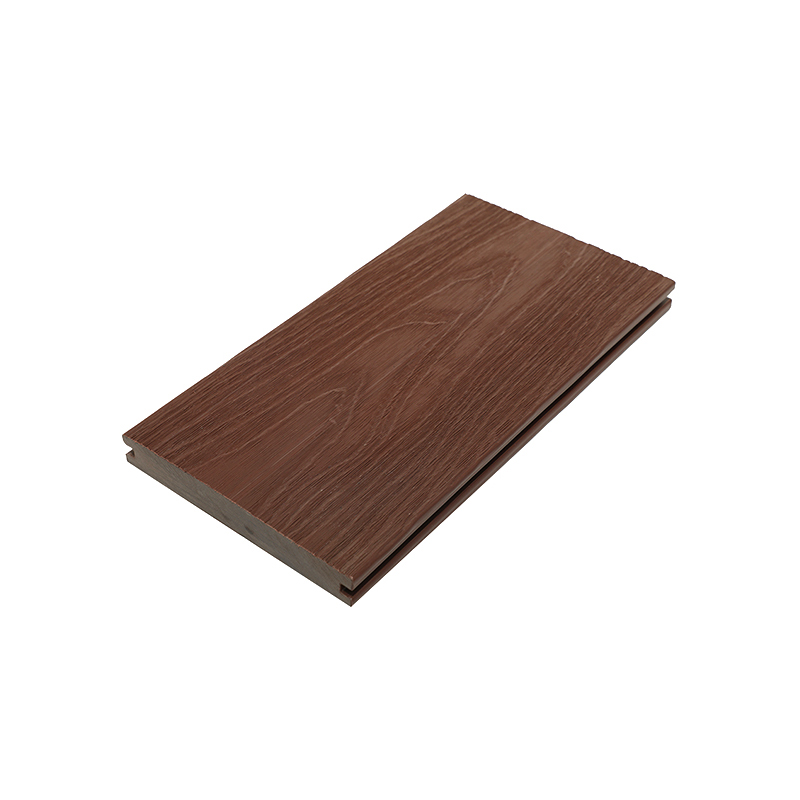
Understanding the board's construction type matters when planning your cleaning approach. There are three main composite decking types on the market, and each has slightly different surface characteristics:
Because composite decking does not rot or warp from moisture the way timber does, the primary cleaning goal is cosmetic maintenance and mildew prevention rather than structural preservation. This makes the process simpler, but it still requires the right technique to avoid surface damage.
Having the correct tools ready before you begin makes the cleaning process faster and reduces the risk of surface damage. Using the wrong brush or cleaning agent is one of the most common mistakes homeowners make when first maintaining a composite deck.
| Tool / Supply | Recommended | Avoid |
|---|---|---|
| Brush | Soft-bristle deck brush or nylon scrub brush | Wire brushes, steel wool, abrasive pads |
| Cleaner | Mild dish soap, composite-specific cleaner, diluted white vinegar | Bleach-based cleaners, chlorine, undiluted solvents |
| Water source | Garden hose with spray nozzle, pressure washer ≤ 1,500 PSI | Pressure washer above 1,500 PSI, concentrated jet nozzle |
| Protective gear | Rubber gloves, non-slip footwear | Open-toe shoes on wet surfaces |
| Other tools | Plastic putty knife, broom, leaf blower | Metal scrapers, sharp-edged tools |
For regular maintenance cleaning — which should be performed at least twice per year, ideally in spring and autumn — follow this systematic process to achieve thorough results without damaging the board surface.
Remove all furniture, planters, rugs, and decorative items from the deck. Use a broom or leaf blower to sweep away loose debris including leaves, twigs, dirt, and sand. Pay particular attention to the gaps between boards, as accumulated organic material in these spaces is the primary source of mold and mildew growth. A thin plastic putty knife is useful for dislodging compacted debris from board gaps without scratching the surface.
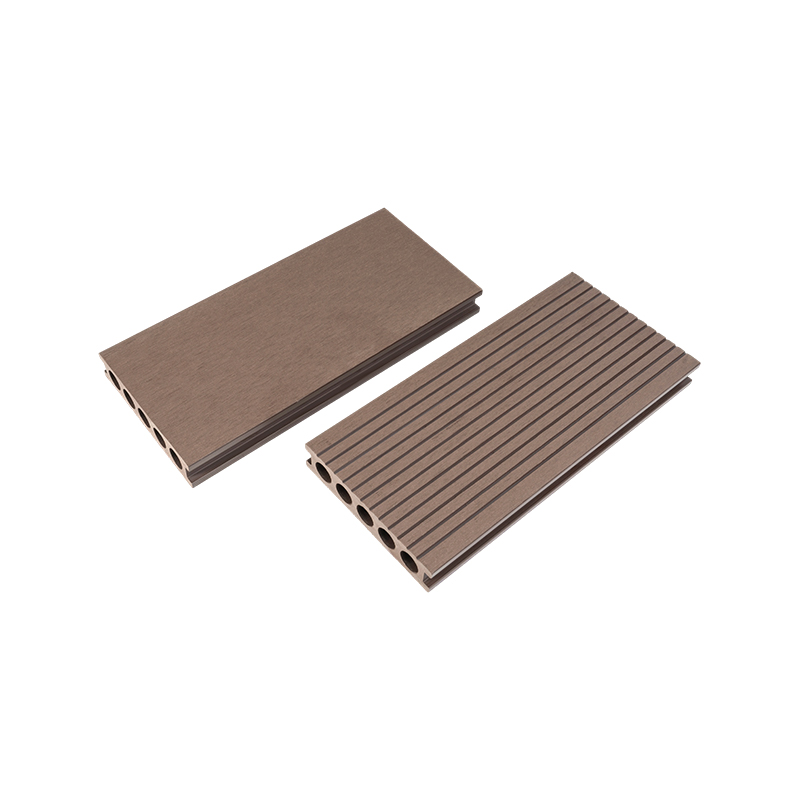
Rinse the entire deck with a garden hose set to a wide fan spray or a pressure washer set to no more than 1,500 PSI with a 40-degree fan tip. Work in the direction of the board grain to push loosened debris out through the gaps. Pre-wetting prevents the cleaning solution from drying too quickly and improves its effectiveness across the full surface.
Mix a solution of warm water and a small amount of mild liquid dish soap — approximately 2 tablespoons per gallon of water is sufficient for most routine cleaning. For decks with visible mildew or algae film, a dedicated composite deck cleaner formulated for WPC materials is more effective. Apply the solution generously across the wet surface and allow it to dwell for 5 to 10 minutes to break down organic buildup.
Using a soft-bristle brush, scrub the deck surface with firm, even strokes moving along the length of the boards — never across the grain. This directional technique cleans the surface texture channels effectively without leaving visible scuff marks. Apply extra scrubbing pressure to any areas with visible stains, grease marks, or mildew discoloration. For embossed-texture boards, ensure the brush bristles reach into the grain pattern.
Rinse the entire deck with clean water, again working in the direction of board length. Ensure all soap residue is fully removed, as dried soap film can leave a dull haze on the surface and attract more dirt over time. Rinse the gaps between boards as well to flush out loosened debris and cleaning solution residue.
Allow the deck surface to air dry completely before replacing furniture and accessories. In warm sunny conditions this typically takes 1 to 2 hours. Avoid placing rubber-backed mats or furniture without feet directly on the wet surface, as trapped moisture between materials can promote mildew growth over time.
Different types of stains require targeted treatment approaches. Quality composite decking — particularly co-extruded boards with a protective polymer shell — offers excellent stain resistance against common substances including coffee, red wine, vinegar, sauce, lipstick, nail polish, and shoe polish. However, prompt treatment always delivers better results than attempting to remove dried or set stains.
Wipe up spills immediately with a damp cloth while they are still wet. For dried food or drink stains — coffee, wine, juice, sauces — apply a solution of warm water and mild dish soap directly to the stain. Let it soak for 5 minutes, then scrub along the grain with a soft brush. Rinse well. Most food stains on quality composite boards respond fully to this method without requiring specialist products.
Cooking grease from barbecues and oil-based stains are best treated immediately. Blot excess grease with an absorbent cloth — do not rub, as this spreads the stain. Apply a small amount of dish soap or a degreaser suitable for composite surfaces directly to the stain. Work it gently into the surface with a soft brush, leave for 10 minutes, then scrub and rinse. For stubborn grease spots, repeat the treatment. Never use pure acetone, paint thinner, or turpentine, as concentrated solvents can soften the board surface.
Mold and mildew appear as dark grey, green, or black surface film, typically in shaded areas with poor air circulation. They are a surface phenomenon on composite decking — they grow on top of the board rather than penetrating into the material the way they do with wood. Mix a solution of 1 part white vinegar to 3 parts warm water, apply generously to the affected area, and allow it to dwell for 15 minutes. Scrub vigorously along the grain with a stiff nylon brush, then rinse thoroughly. For heavy mildew, a composite-specific cleaner with mildewcide properties delivers faster results.
Tree sap that has hardened on the deck surface can be carefully softened using warm (not boiling) water applied with a cloth. Once softened, use a plastic scraper to gently lift the sap, then clean the residue with soapy water. Yellow pollen film, common in spring, responds well to a simple soap-and-water wash and light brushing. Do not allow pollen to remain on the deck surface through rain cycles, as it can become embedded in the board texture.
Metal furniture legs or planters with iron content can leave rust stains on the deck surface. A solution of oxalic acid-based deck cleaner (following product instructions carefully) is effective at breaking down rust deposits. Apply to the stain only, leave for the manufacturer-specified dwell time, then scrub and rinse. Prevent future rust stains by placing rubber or nylon furniture pads under all metal legs.
A pressure washer can significantly speed up the cleaning of large deck areas, but incorrect use is one of the leading causes of surface damage to composite boards. Used properly, it is a legitimate and efficient cleaning tool.
If you are cleaning a composite deck for the first time with a pressure washer, test the settings on an inconspicuous section — such as the area under a planter or furniture — before treating the full surface.
Establishing a cleaning routine tailored to seasonal conditions prevents buildup from becoming stubborn and extends the appearance life of your deck. The table below outlines a recommended annual maintenance schedule.
| Season | Priority Task | Frequency |
|---|---|---|
| Spring | Full wash to remove winter grime, pollen, and mildew from damp months | Once, at season start |
| Summer | Spot clean food/grease stains from outdoor cooking; sweep debris weekly | Spot clean as needed; full wash monthly in heavy-use periods |
| Autumn | Remove fallen leaves promptly; full wash to clear tannin stains and debris before winter | Sweep weekly; full wash once |
| Winter | Remove snow with a plastic shovel; avoid rock salt for ice removal | As required; avoid metal tools on surface |
Avoiding the wrong products is just as important as using the right ones. Several common household cleaning agents and tools that work well on other surfaces can permanently damage composite decking or void manufacturer warranties.
Composite decking is widely installed in commercial environments including restaurants, hotel terraces, waterfront boardwalks, swimming pool surrounds, public plazas, and parks. In these settings, the cleaning frequency and product choices need to be scaled up to match the higher level of use and the diversity of staining agents involved.
For commercial applications, consider the following adjustments to standard cleaning practice:
Composite decking products from manufacturers such as Jiangsu Senyu New Material Co., Ltd. are specifically engineered to meet the demands of both residential and commercial applications. With formaldehyde emissions meeting the stringent E0 standard, no chemical adhesives in the production process, and proven stain resistance against a wide range of common substances, Senyu WPC products maintain their performance and appearance across environments ranging from private balconies to large-scale commercial plazas — provided they receive appropriate routine cleaning as outlined in this guide.
Not all composite decking cleans equally easily. The manufacturing quality, polymer composition, and surface treatment of the board directly determine how resistant it is to staining, mold, and surface degradation — and therefore how much effort is required to maintain it over time.
| Board Type | Stain Resistance | Mold Resistance | Cleaning Effort |
|---|---|---|---|
| Standard WPC (uncapped) | Moderate | Moderate | Regular attention required |
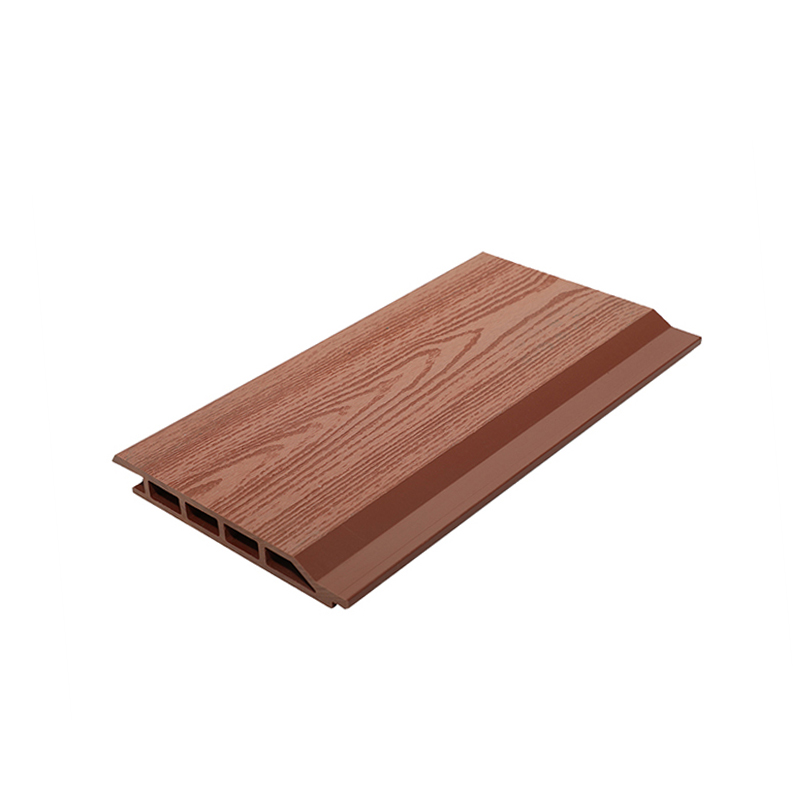
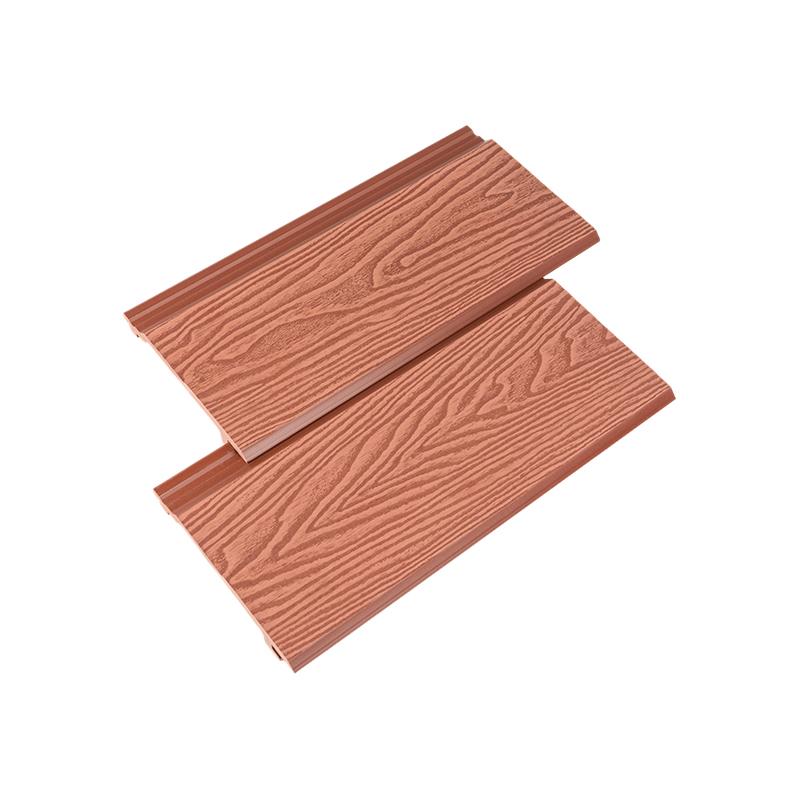
| 3D Embossed WPC | Moderate to Good | Good | Directional brushing needed for texture channels |
| Co-extruded (capped) WPC | Excellent | Excellent | Minimal; most stains wipe off easily |
High-quality WPC products manufactured using polyolefin plastics and treated cellulose materials — such as wood flour and rice bran — offer significantly better stain and moisture resistance than lower-grade composite boards that use inferior polymer formulations or higher proportions of untreated wood filler. Color consistency, UV stability, and surface integrity are all indicators of manufacturing quality that also translate directly into easier long-term maintenance. When boards are color-treated throughout their full cross-section, minor surface scuffs are far less visible and do not require re-treatment, unlike painted wood surfaces.
Investing in a quality composite decking product from a reputable manufacturer not only reduces the frequency and effort of cleaning but also ensures that the board continues to perform as expected — in terms of appearance, safety, and structural integrity — throughout its full service life of 25 years or more when properly maintained.



 English
 Français
 Español
 Deutsch